Japan · Asia
Living in Tokyo
The most complex, cleanest, most efficient megacity on earth
Last updated: April 2026
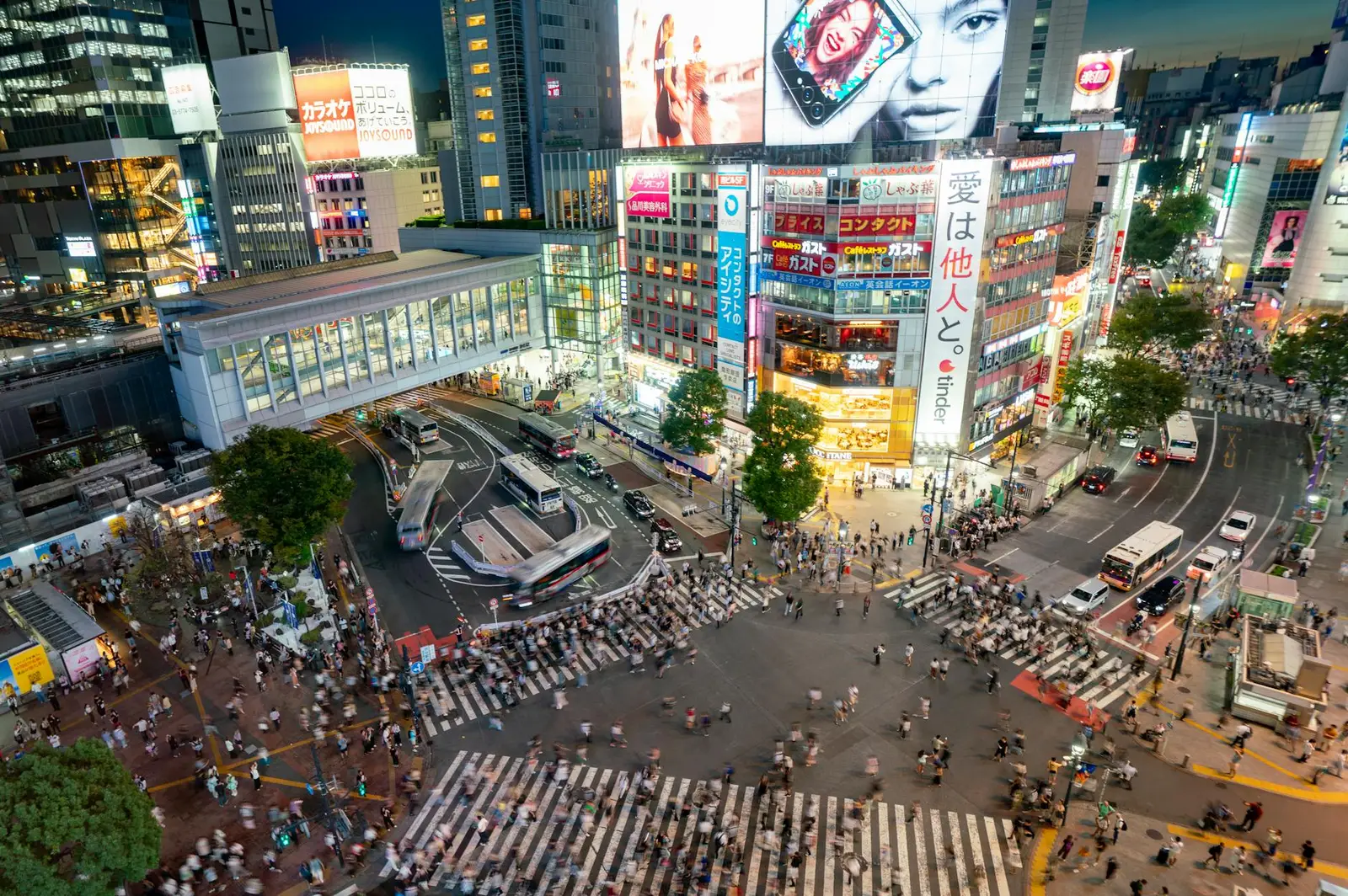
Tokyo is a 37-million-person megacity that somehow feels calm, safe and efficient. The Japanese Digital Nomad Visa launched in 2024 and has brought a new wave of remote workers, though the income requirement (JPY 10M annually, ~USD 8,300/month) is among the highest in the world. Daily life is a choreography of trains, convenience stores, izakayas, and vending machines. Rent is more reasonable than the city’s reputation suggests, especially outside the central 23 wards. Tokyo rewards curiosity: every station has its own neighborhood, its own food culture, its own vibe.
Tokyo is unlike anywhere else. The new Digital Nomad Visa makes a 6-month stay possible for high earners, and longer-term visa routes (specified skilled worker, HSP) exist for those who commit. If your priorities are safety, cleanliness, food at every price point, and a city that takes craftsmanship seriously, Tokyo has no equal.
Advertisement
Population
37,000,000
Internet
1000 Mbps avg
Budget (mid)
$3,000/mo
Timezone
UTC+9 (no DST)
Cost of living in Tokyo
USD 2,200-3,800/month. Rent cheaper than expected; restaurants are incredible value.
Budget
$2,000
per month
Comfortable
$3,000
per month
Upscale
$5,000
per month
| Category | Typical range |
|---|---|
| Rent (1BR central) | USD 1,400-2,200 (Shibuya, Shinjuku, Setagaya) |
| Rent (1BR outside) | USD 900-1,400 (Nerima, Nakano) |
| Groceries (monthly) | USD 400-600 |
| Utilities (monthly) | USD 120-220 |
| Coworking (monthly) | USD 250-450 |
| Transport (monthly) | USD 90 commuter pass or pay-per-ride USD 200/mo |
| Meal (cheap / local) | USD 7-12 (ramen, set lunch) |
| Meal (mid restaurant) | USD 20-60 |
Advertisement
Where to live in Tokyo
Shibuya / Shinjuku
Central entertainment districts. Crowded, iconic, lots of nomads.
Meguro / Naka-Meguro
Quieter, upscale, cherry blossoms, trendy cafes.
Setagaya (Shimokitazawa)
Hipster, vintage clothes, live music, creative crowd.
Asakusa / Yanaka
Old Tokyo feel, temples, more traditional.
Nakano / Koenji
Cheaper, subculture-focused, 20-30 min to centre.
Popular coworking spaces
- · WeWork (multiple) — most English-friendly
- · The Hive Tokyo — Jinnan and Nogizaka
- · Impact Hub Tokyo
- · Jinbocho Cowork
- · BasisPoint — local chain
Food scene
Arguably the most Michelin-starred city in the world. Ramen, sushi, izakaya, yakitori, tonkatsu, tempura, soba — each is its own rabbit hole. Conbini (convenience store) food is genuinely good. Tsukiji Outer Market, Tsukishima monja street, Ebisu for nightlife eating.
Getting around
Tokyo Metro + Toei + JR trains form the densest and most reliable public transit in the world. Get a Suica or Pasmo card. Trains stop ~midnight. Taxis are clean and honest but expensive. Bikes work well in residential neighborhoods.
Internet tip: Fibre (NTT FLET’S, J:COM) is universal and fast (1 Gbps standard). 5G everywhere. If you do not speak Japanese, use Sakura Mobile or Mobal for English-support SIM.
Visa notes
Digital Nomad Visa (2024) requires JPY 10M annual income (~USD 66k), valid 6 months (non-renewable; reapply after 6 months away). HSP (Highly Skilled Professional) visa for long-term. Engineering/Humanities visa with a local employer. Spouse and kids can accompany DNV holders.
Healthcare & safety
Healthcare in Japan is excellent and affordable. Residents join National Health Insurance (30% co-pay). Tourists/short-term use travel insurance. English-speaking hospitals: St Luke’s, Tokyo Medical and Surgical Clinic.
One of the safest major cities on earth. Lost wallets get returned.
Pros
- + Safest mega-city anywhere
- + Food scene is unmatched
- + Public transit is the gold standard
- + Long-stay visa options are real
- + Clean and efficient in every detail
Cons
- - JPY 10M income bar for DNV is high
- - Japanese helps a lot past surface level
- - Apartment hunting is tough for foreigners
- - Grey winters Dec-Feb
- - High ops overhead for bureaucracy
Best for
- · High-earning remote workers
- · Foodies
- · Culture-first travelers
- · Safety-focused families
Probably not for
- · Budget nomads (DNV threshold is high)
- · Non-Japanese speakers seeking easy integration
Climate
Humid subtropical. Cold winters (2-10°C), hot humid summers (25-33°C). Spring and autumn are magical.
Language
Japanese. English is patchy except in tourist/nomad-facing businesses.
Currency
Japanese Yen (JPY)
Timezone
UTC+9 (no DST)
Other nomad cities
Related resources
Full Japan country guide
Visa options, tax, cost of living, work permits.
Moving to Japan
Step-by-step relocation guide: visa, costs, taxes, timeline.
In-depth editorial guide
Our long-form guide for Japan.
Cost of Living tool
Compare Tokyo with your current city.
Digital nomad visa comparator
Compare long-stay visas by income, duration, tax.
Tax residency calculator
See where you'd be tax resident if you split time.