Indonesia · Asia
Living in Bali (Canggu / Ubud)
The beachside nomad paradise
Last updated: April 2026
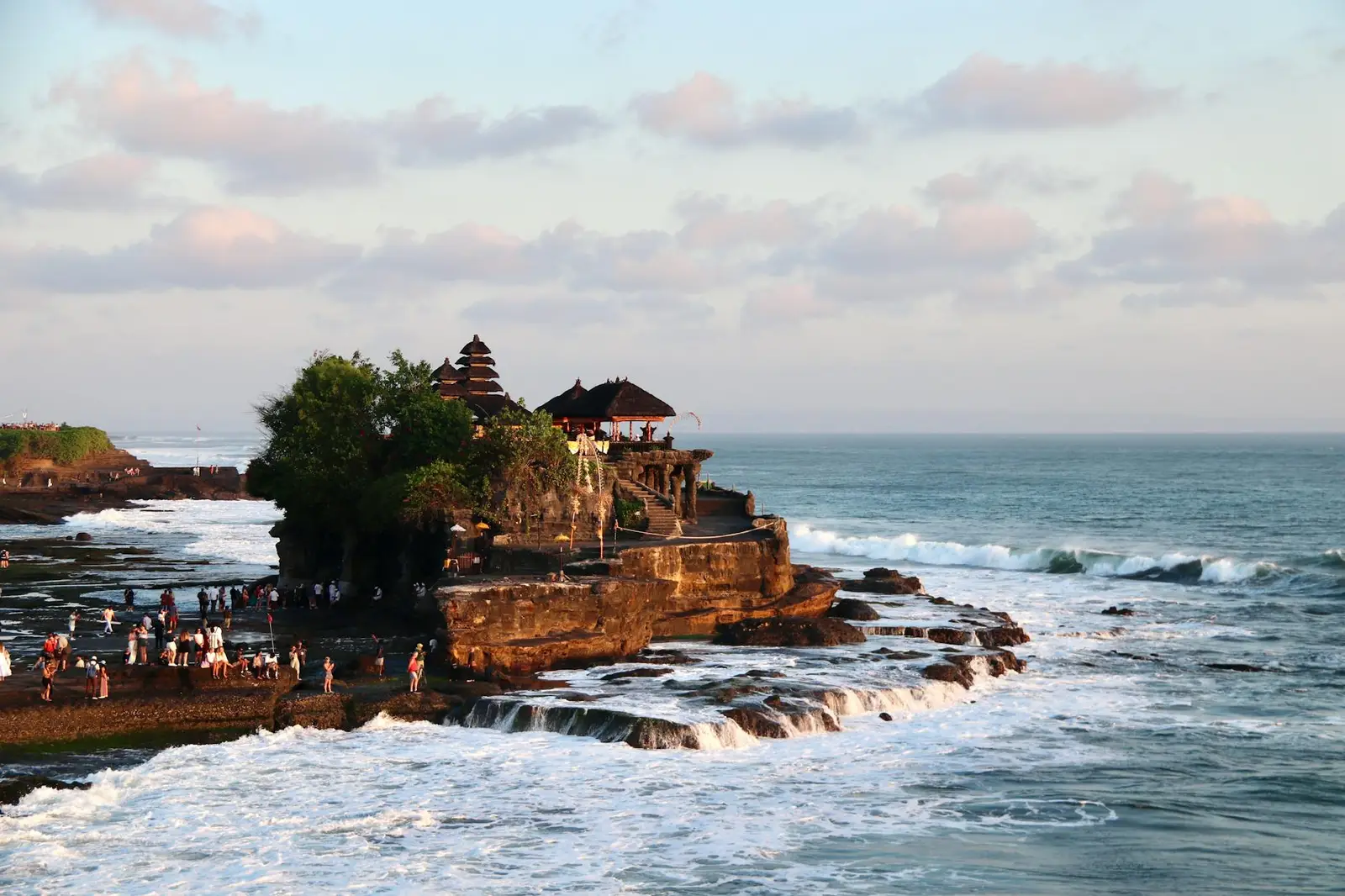
Bali is probably the most photographed nomad destination on earth. Canggu is the surf-and-coworking capital, and Ubud is the yoga-and-jungle alternative. Both have strong nomad communities and a tourist infrastructure that makes arrival easy, but the last few years have brought serious traffic, gentrification, and growing tension with locals over behavior and housing. Come for the lifestyle, but come with respect.
Bali offers an unusual combination of beach living, a huge international community, yoga and wellness culture, and access to nature within 20 minutes of any coworking space. If your ideal workday ends with a surf session, a rice-paddy walk or a sunset on a black-sand beach, Bali is hard to beat.
Advertisement
Population
4,300,000
Internet
80 Mbps avg
Budget (mid)
$1,800/mo
Timezone
UTC+8 (WITA)
Cost of living in Bali (Canggu / Ubud)
USD 1,200-2,500/month for a solid nomad lifestyle — higher than many expect. Rent in Canggu has roughly doubled in five years.
Budget
$1,000
per month
Comfortable
$1,800
per month
Upscale
$3,500
per month
| Category | Typical range |
|---|---|
| Rent (1BR central) | USD 600-1,200 (Canggu villa) |
| Rent (1BR outside) | USD 350-600 |
| Groceries (monthly) | USD 250-400 (Western products are expensive) |
| Utilities (monthly) | USD 60-120 |
| Coworking (monthly) | USD 150-250 |
| Transport (monthly) | USD 60-100 (scooter rental plus fuel) |
| Meal (cheap / local) | USD 2-5 |
| Meal (mid restaurant) | USD 8-15 |
Advertisement
Where to live in Bali (Canggu / Ubud)
Canggu (Berawa, Pererenan, Echo Beach)
Surf, cafes, coworking, beach clubs. The defining nomad neighborhood. Traffic is increasingly brutal and construction is everywhere.
Ubud
Jungle, rice paddies, yoga, wellness. Slower pace, more spiritual vibe, strong long-term expat community.
Uluwatu / Bukit
Cliffs, world-class surf, upscale villas. Less coworking, more peace. Pricier.
Sanur
Quieter, more residential, popular with families and retirees. Calm beaches, little surf.
Seminyak / Kerobokan
More upscale than Canggu, fewer nomads, closer to the airport.
Popular coworking spaces
- · Dojo Bali (Canggu) — the original, big community
- · Tropical Nomad (Canggu) — quieter, cleaner, more work-focused
- · Outpost (Ubud and Canggu) — stylish, coliving options
- · Hubud (Ubud) — legacy space, yoga-adjacent
- · B Work (Canggu) — budget alternative
Food scene
Bali has a dual food economy. Warungs (local Indonesian restaurants) serve nasi campur, mie goreng and satay for USD 2-4. The nomad economy has spawned an enormous number of stylish cafes serving smoothie bowls and flat whites at Western prices (USD 8-15). Nusa Dua and Seminyak host fine dining at USD 50+ per head.
Getting around
Scooter is king. Rent for USD 60-80/month. Gojek and Grab handle most other trips. The airport is ~20-40 minutes from Canggu depending on traffic. There is no metro or public bus network worth using.
Internet tip: Fibre is available in most villas but quality varies. Indihome and Biznet are the main ISPs. Coworkings have strong internet — work there when your villa is flaky. Starlink is increasingly common as a backup.
Visa notes
The B211A Visit Visa allows 60-180 days and is the most common route. The E33G Remote Worker KITAS (launched 2024) offers a full 1-year stay with proof of USD 60,000+ annual income. The Second Home Visa offers 5-10 years for high-net-worth individuals. Many nomads also use the social-cultural visa with sponsorship.
Healthcare & safety
BIMC Hospital (Kuta and Ubud) and Siloam are the main international-standard options. Plan on paying out-of-pocket and claiming from insurance. Motorbike injuries are the most common reason nomads see a doctor — wear helmets and long trousers.
Generally safe. Petty theft from scooters (bag snatching while riding) and tourist scams are common. Road safety is the biggest actual risk — scooter injuries are a near-daily story in the nomad community.
Pros
- + Beach lifestyle within 20 min of every cafe
- + Thriving, experienced nomad scene
- + Great food variety at all price points
- + Affordable villa luxury (pool, garden)
- + Yoga, surf, diving, volcano hikes — all one morning away
Cons
- - Canggu traffic is severe and getting worse
- - Internet can be unreliable in villas
- - Tension with locals is rising
- - Rainy season Nov-Mar can be disruptive
- - Construction noise is ubiquitous
Best for
- · Lifestyle nomads
- · Surfers, yogis, wellness types
- · Coliving newcomers to Asia
Probably not for
- · Nomads who need rock-solid internet for live calls
- · Anyone who hates scooters
Climate
Tropical. Warm year-round (26-32°C). Dry season May-September (ideal), wet season November-March.
Language
Indonesian and Balinese. English widely spoken in Canggu, Ubud and tourist areas.
Currency
Indonesian Rupiah (IDR)
Timezone
UTC+8 (WITA)
Other nomad cities
Related resources
Full Indonesia country guide
Visa options, tax, cost of living, work permits.
Cost of Living tool
Compare Bali (Canggu / Ubud) with your current city.
Digital nomad visa comparator
Compare long-stay visas by income, duration, tax.
Tax residency calculator
See where you'd be tax resident if you split time.