Thailand · Asia
Living in Bangkok
South-East Asia's sprawling nomad capital
Last updated: April 2026
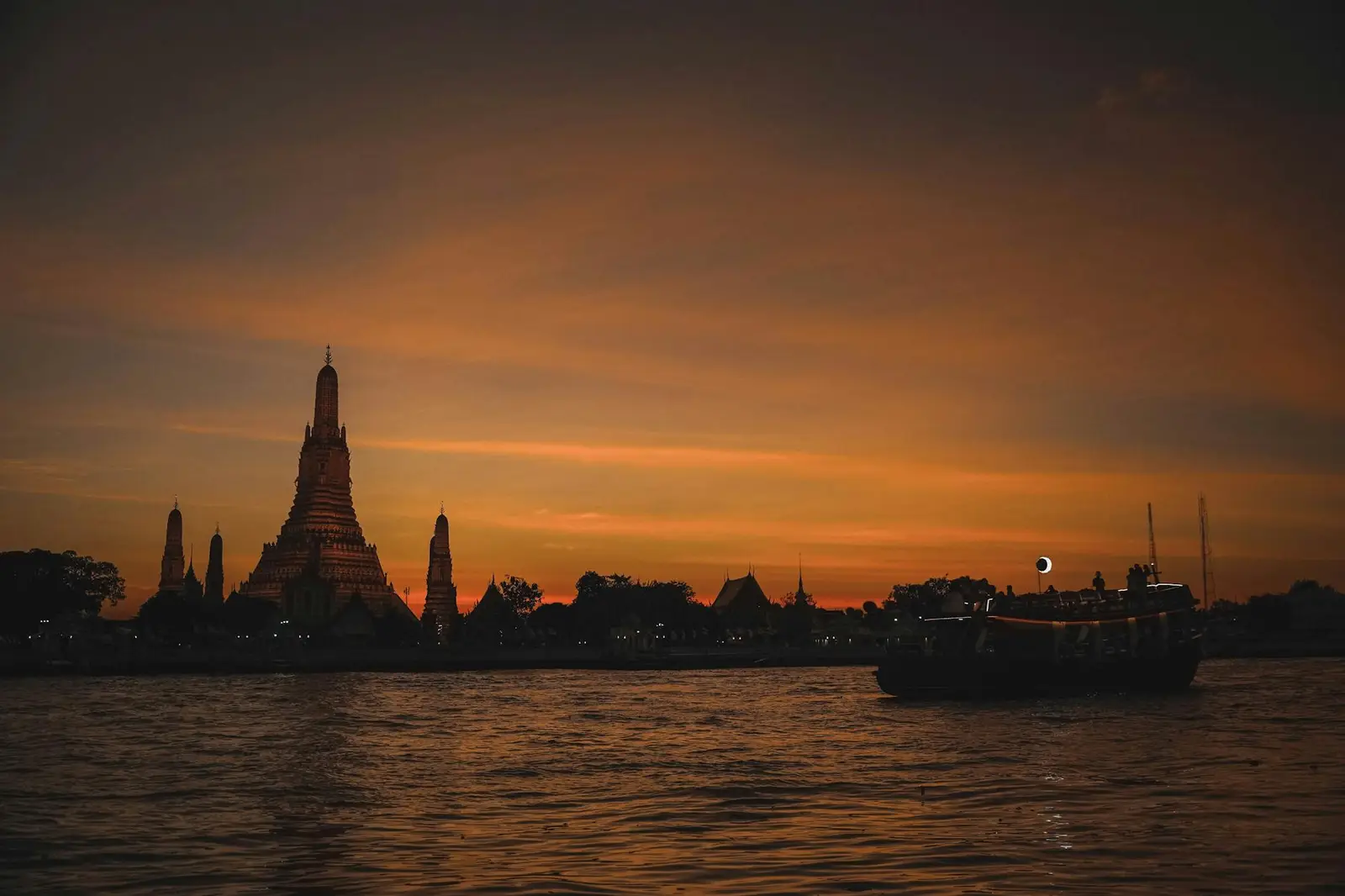
Bangkok has been a global nomad hub for over a decade. It combines first-world infrastructure — fast fibre internet, world-class hospitals, an expanding metro and Skytrain network — with costs that are still a fraction of Western capitals. The city is chaotic, hot and endlessly entertaining, and it is arguably the strongest single base for exploring the rest of Asia. Flights to Tokyo, Bali, Singapore, Hong Kong and Vietnam are short and cheap, and Bangkok's airports handle an enormous volume of long-haul connections to Europe, North America and the Gulf.
Bangkok rewards nomads who want serious infrastructure without serious prices. You can rent a modern one-bedroom on the Skytrain line, eat three restaurant meals a day, get a dental cleaning from an internationally accredited hospital, and still spend less than a monthly rent check in London or San Francisco. The remote-work community is one of the largest in the world, and the mix of local and international makes it feel genuinely international rather than an expat bubble.
Advertisement
Population
10,500,000
Internet
200 Mbps avg
Budget (mid)
$1,800/mo
Timezone
UTC+7 (no DST)
Cost of living in Bangkok
Budget USD 1,000-1,800/month for a comfortable life in a condo with a pool, USD 2,500+ for upscale central living in Thonglo or Phrom Phong.
Budget
$1,000
per month
Comfortable
$1,800
per month
Upscale
$3,000
per month
| Category | Typical range |
|---|---|
| Rent (1BR central) | USD 650-1,100 |
| Rent (1BR outside) | USD 350-600 |
| Groceries (monthly) | USD 250-350 |
| Utilities (monthly) | USD 80-120 (AC pushes this up) |
| Coworking (monthly) | USD 140-240 |
| Transport (monthly) | USD 30-60 on BTS/MRT |
| Meal (cheap / local) | USD 2-4 |
| Meal (mid restaurant) | USD 8-15 |
Advertisement
Where to live in Bangkok
Sukhumvit (Asok, Phrom Phong, Thong Lo, Ekkamai)
Most nomad-friendly corridor. Cafes every 50m, coworking spaces, modern condos, and the BTS Skytrain above you. Thonglo is pricier and more upscale; Asok is a practical all-rounder.
Ari
Trendy, leafy, more local. One BTS stop from central Bangkok but feels like a neighborhood instead of a zone. Popular with long-term nomads who have done Sukhumvit already.
Silom / Sathorn
Business district. Cleaner pavements, more corporate, better restaurants, livelier nightlife than many people expect. Good base if you want to feel like you live in a city.
Chinatown (Yaowarat)
Cheaper rent, some of the best street food on the planet, less international. Less convenient for coworking unless you enjoy a taxi commute.
On Nut / Phra Khanong
Emerging nomad area along the BTS line. Significantly cheaper than Thonglo with equal internet and similar lifestyle.
Popular coworking spaces
- · The Hive Thonglor — rooftop terrace, events, cafe downstairs
- · WeWork T-One — polished corporate feel, hot-desk USD 200/mo
- · JustCo Samyan — large floor plates, 24/7 access
- · Spaces Chamchuri Square — good for meetings
- · Launchpad Sathorn — smaller, cheaper, community-focused
Food scene
Bangkok is arguably the world's best city for eating across price points. Street vendors, Michelin-starred restaurants, night markets and international food halls coexist in every neighborhood. Budget 30-80 THB for street food, 150-400 THB for a casual restaurant meal, and 1,500+ THB for high-end. Don't miss Or Tor Kor market, Chinatown's Yaowarat Road at night, and the food courts at malls like EmQuartier and Terminal 21.
Getting around
BTS Skytrain and MRT metro connect most nomad neighborhoods. Tap in with a Rabbit Card or Visa contactless. Grab and Bolt replace taxis for anything off the rail network. Motorbike taxis (orange vests) are the fastest way through traffic but require a strong stomach. Airport rail link from Suvarnabhumi takes 26 minutes to central Bangkok for ~45 THB.
Internet tip: Most condos include fibre at 300+ Mbps. AIS, True and 3BB are the main ISPs. Unlimited 5G SIM plans are ~600 THB/month and work well as a hotspot.
Visa notes
Destination Thailand Visa (DTV) allows 180-day stays over 5 years and is the new preferred route for remote workers — min THB 500,000 in savings. Many nomads still use the 60-day Tourist Visa (extendable by 30) with occasional border runs. The Education Visa and the Thailand Elite Visa are longer-term options but require more commitment or money.
Healthcare & safety
Bangkok has some of the best private hospitals in Asia (Bumrungrad, Samitivej, Bangkok Hospital). Expect to pay out-of-pocket unless you have international insurance — SafetyWing covers most visits. A GP consultation runs USD 30-60, dental cleaning USD 30, and elective procedures cost 20-40% of US prices.
Generally safe even at night. Tourist scams (gem shops, tuk-tuk tours, tailor scams) are the main annoyance. Pickpockets in crowded markets. Violent crime is rare. Traffic is the biggest day-to-day physical risk — ride-hailing scooters and buses are statistically much more dangerous than they feel.
Pros
- + Cheap, fast fibre internet in virtually every condo
- + Vast food scene at every budget level
- + Strong coworking and nomad community
- + Hub for cheap flights across Asia
- + World-class private hospitals at a fraction of Western prices
Cons
- - Hot and humid year-round; AC bills add up
- - PM2.5 air quality is poor Jan-Apr
- - Traffic jams are legendary outside the rail network
- - Thai language barrier for deeper integration or bureaucracy
- - Tourist scams remain common
Best for
- · First-time nomads in Asia
- · Remote workers who want serious infrastructure
- · Food obsessives
- · Nomads basing themselves for SE Asia travel
Probably not for
- · People sensitive to heat or air pollution
- · Nomads looking for quiet nature
Climate
Tropical. 28-35°C year-round. Rainy season May-October; dry and hot March-May; cooler and less humid November-February (the best window to arrive).
Language
Thai. English is widely spoken in tourist and nomad areas; limited elsewhere.
Currency
Thai Baht (THB)
Timezone
UTC+7 (no DST)
Other nomad cities
Related resources
Full Thailand country guide
Visa options, tax, cost of living, work permits.
Moving to Thailand
Step-by-step relocation guide: visa, costs, taxes, timeline.
In-depth editorial guide
Our long-form guide for Thailand.
Cost of Living tool
Compare Bangkok with your current city.
Digital nomad visa comparator
Compare long-stay visas by income, duration, tax.
Tax residency calculator
See where you'd be tax resident if you split time.