Estonia · Europe
Living in Tallinn
Digital-first nation with e-Residency and a nomad visa
Last updated: April 2026
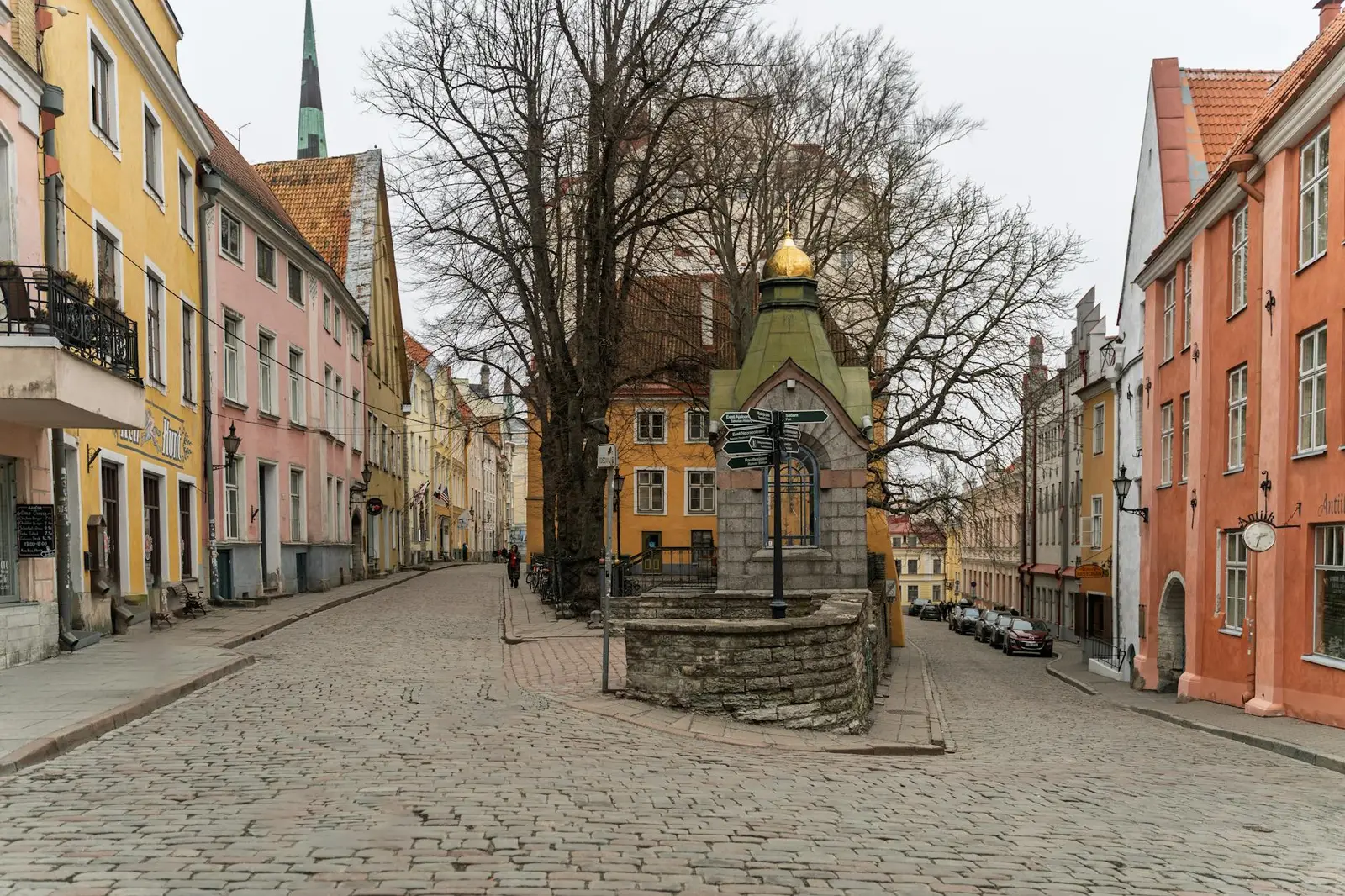
Estonia invented the concept of e-Residency, pioneered digital government (you can vote online, incorporate a company in 15 minutes, sign legal documents with a smart card), and launched one of Europe’s first Digital Nomad Visas in 2020. Tallinn itself is small — 450,000 people — but punches far above its weight. The medieval Old Town is UNESCO-listed, the tech scene (Skype, Wise, Bolt, Veriff all started here) gives the city a startup energy, and winters are dark but cosy.
Estonia is the best EU base for digital-first entrepreneurs. e-Residency lets you run an EU company from anywhere. The Digital Nomad Visa is straightforward (EUR 4,500 gross income). The country uses English in most tech and government contexts.
Advertisement
Population
450,000
Internet
500 Mbps avg
Budget (mid)
$2,000/mo
Timezone
UTC+2 / UTC+3 (DST)
Cost of living in Tallinn
USD 1,500-2,500/month. More affordable than Scandinavian neighbors.
Budget
$1,300
per month
Comfortable
$2,000
per month
Upscale
$3,000
per month
| Category | Typical range |
|---|---|
| Rent (1BR central) | USD 800-1,300 |
| Rent (1BR outside) | USD 550-800 |
| Groceries (monthly) | USD 350-500 |
| Utilities (monthly) | USD 150-260 (heating significant) |
| Coworking (monthly) | USD 180-300 |
| Transport (monthly) | FREE for residents, USD 25 pay-per-ride otherwise |
| Meal (cheap / local) | USD 10-15 |
| Meal (mid restaurant) | USD 20-40 |
Advertisement
Where to live in Tallinn
Old Town (Vanalinn)
Medieval, beautiful, touristy by day, quiet at night.
Kalamaja
Bohemian, wooden houses, hipster cafes, creative crowd.
Kadriorg
Russian-aristocrat heritage, park, quiet residential.
Noblessner
Redeveloped harbor district, upscale, growing fast.
Rotermann
Central, modern, near the port.
Popular coworking spaces
- · Spring Hub — startup-centric
- · LIFT99 — well known in Baltic tech scene
- · Palo Alto Club
- · HUUB
- · WeWork Tallinn
Food scene
Modern Nordic meets Baltic traditions. Black bread, herring, kama (cold porridge dessert). Restøran O, NOA Chef’s Hall, and 180° deliver Michelin-level dining. Balti Jaam Market for fresh produce.
Getting around
Public transport is FREE for Tallinn residents (just register). Trams, buses, trolleybuses. Bikes work well in summer. Airport is 10 min from the centre.
Internet tip: Telia, Elisa, and Tele2. Gigabit fibre is standard. Mobile data is among the cheapest in Europe.
Visa notes
Digital Nomad Visa: EUR 4,500 gross monthly income, 1-year duration, non-renewable (reapply after 6 months away). e-Residency (different thing): lets you run an EU company remotely — not a residence visa. For longer stays, look at Startup Visa or Blue Card.
Healthcare & safety
Public health via KRK for residents. Private clinics: Medicum, Lakar Kliniik. GP visits USD 40-80. Highly digital — appointments and records online.
Very safe. One of the lowest crime rates in Europe.
Pros
- + Most digitally advanced government on earth
- + Digital Nomad Visa is real
- + e-Residency for EU company formation
- + English ubiquitous in tech
- + Free public transit for residents
- + Very safe
Cons
- - Dark winters (4 hours daylight in December)
- - Small nomad community compared to Lisbon
- - Food prices higher than Central Europe
- - Estonian language is hard (but not essential)
Best for
- · Tech founders and entrepreneurs
- · Digital-first freelancers
- · Those seeking EU Digital Nomad Visa
Probably not for
- · Sun-seekers
- · Those who struggle with cold, dark winters
Climate
Cold continental. Cold winters (-5 to 0°C), mild summers (18-23°C). Midsummer sun until 11pm.
Language
Estonian. English is widely spoken in tech and tourist-facing businesses.
Currency
Euro (EUR)
Timezone
UTC+2 / UTC+3 (DST)
Other nomad cities
Related resources
Full Estonia country guide
Visa options, tax, cost of living, work permits.
Cost of Living tool
Compare Tallinn with your current city.
Digital nomad visa comparator
Compare long-stay visas by income, duration, tax.
Tax residency calculator
See where you'd be tax resident if you split time.
Schengen 90/180 calculator
Plan your days if you're non-EU.