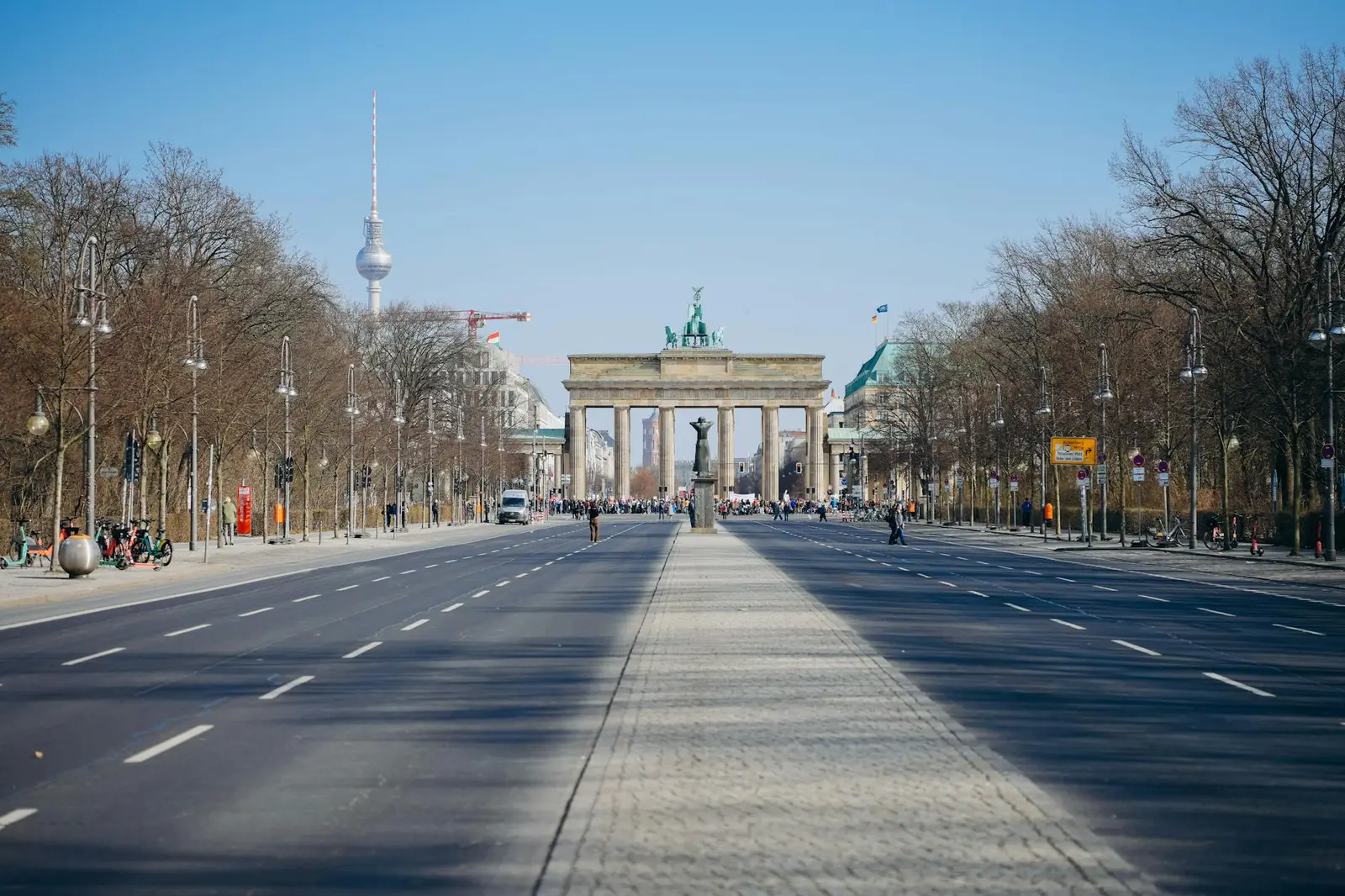
Berlin is unlike any other European capital. It is sprawling, gritty in places, extraordinarily green, and has a counter-culture inheritance from the Cold War era that still defines the city. The tech and startup scene is the biggest in Germany, the Freelance Visa (Freiberufler) is famously friendly to self-employed creatives and engineers, and rent has historically been cheaper than most West European capitals — though this has changed fast. Nightlife, techno, art, graffiti, and a 24/7 feel make Berlin a singular nomad experience.
If you want to be based in Germany with a Freelance Visa, Berlin is the obvious choice — the city has the largest English-speaking expat population and the most tolerant bureaucracy. The Freiberufler path is one of Europe’s easiest for artists, writers, engineers and consultants. Costs are rising but still under Paris, London, Amsterdam or Stockholm.
Advertisement
Population
3,700,000
Internet
300 Mbps avg
Budget (mid)
$2,600/mo
Timezone
UTC+1 / UTC+2 (DST)
Cost of living in Berlin
USD 2,000-3,500/month. Rent has roughly doubled since 2015.
Budget
$1,800
per month
Comfortable
$2,600
per month
Upscale
$4,500
per month
| Category | Typical range |
|---|---|
| Rent (1BR central) | USD 1,300-2,200 |
| Rent (1BR outside) | USD 900-1,400 |
| Groceries (monthly) | USD 400-550 |
| Utilities (monthly) | USD 150-250 (heating significant in winter) |
| Coworking (monthly) | USD 220-380 |
| Transport (monthly) | USD 55 monthly BVG AB pass |
| Meal (cheap / local) | USD 10-18 (Döner, Imbiss) |
| Meal (mid restaurant) | USD 25-50 |
Advertisement
Where to live in Berlin
Prenzlauer Berg
Leafy, brunch-heavy, family-friendly, hip parents and creative pros.
Kreuzberg
Multicultural, political, artistic, techno scene. Bohemian edge.
Neukölln
Younger creative crowd, Turkish heritage, cheap rent (still), rising fast.
Mitte
Central, museums, government, tourist-heavy, pricey.
Friedrichshain
Techno, startup offices (BVG hub), student flat-shares.
Popular coworking spaces
- · Factory Berlin (Mitte and Görlitzer) — legendary startup hub
- · Mindspace (multiple) — design-forward, central
- · WeWork (multiple)
- · St Oberholz — the original Berlin cafe-coworking
- · Betahaus Kreuzberg — community-driven, startup-friendly
Food scene
Döner kebab was arguably perfected here. Currywurst, Schnitzel, and the world’s best Vietnamese food outside Vietnam (huge Vietnamese diaspora since the DDR days). Markthalle Neun and the Turkish Market are essential. Michelin-star: Rutz, Tim Raue, Horváth.
Getting around
U-Bahn + S-Bahn + trams + buses run nearly 24/7 on weekends. BVG AB monthly ticket is USD 55 for unlimited. Cycling infrastructure is excellent but watch trams. Airports: BER connects to most of Europe.
Internet tip: Vodafone, Telekom, 1&1, and O2 all offer fibre. Coverage in some older buildings in Kreuzberg/Neukölln can lag — ask before signing a lease. Mobile 5G is widespread.
Visa notes
Germany’s Freelance Visa (Freiberufler / §21) is the most nomad-friendly path: apply in-country at the Ausländerbehörde, need portfolio + contracts + rental registration (Anmeldung). EU Blue Card requires EUR 45,300+ salary (2026). Spouse and children benefit from family reunification.
Healthcare & safety
Public health (Krankenkasse) is mandatory for residents. TK, AOK, Barmer are the big three. Private plans available for freelancers. Charité is one of Europe’s best hospitals.
Very safe. Pickpockets in U-Bahn and around Alexanderplatz. Nightlife districts can get rowdy Saturday nights.
Pros
- + Freelance Visa genuinely works
- + Biggest startup scene in continental Europe
- + Lots of English spoken
- + Green city — every neighborhood has a park
- + 24/7 city life
- + Diverse, multicultural, tolerant
Cons
- - Winters are long and grey (Nov-Feb)
- - Anmeldung bureaucracy is legendary
- - Rent up sharply since 2020
- - German helps past basics
- - Some neighborhoods feel rough at night
Best for
- · Freelancers seeking EU residency
- · Startup founders
- · Artists and creatives
- · Techno heads
Probably not for
- · Sun seekers
- · Those who can’t handle grey winters
Climate
Oceanic. Cold winters (-2 to 3°C), mild summers (18-25°C). Long grey November-March.
Language
German. English widely spoken in startup/nomad circles and most service jobs.
Currency
Euro (EUR)
Timezone
UTC+1 / UTC+2 (DST)
Other nomad cities
Related resources
Full Germany country guide
Visa options, tax, cost of living, work permits.
Moving to Germany
Step-by-step relocation guide: visa, costs, taxes, timeline.
In-depth editorial guide
Our long-form guide for Germany.
Cost of Living tool
Compare Berlin with your current city.
Digital nomad visa comparator
Compare long-stay visas by income, duration, tax.
Tax residency calculator
See where you'd be tax resident if you split time.
Schengen 90/180 calculator
Plan your days if you're non-EU.