Mexico · Americas
Living in Mexico City
A 22-million-person megacity with world-class food and culture
Last updated: April 2026
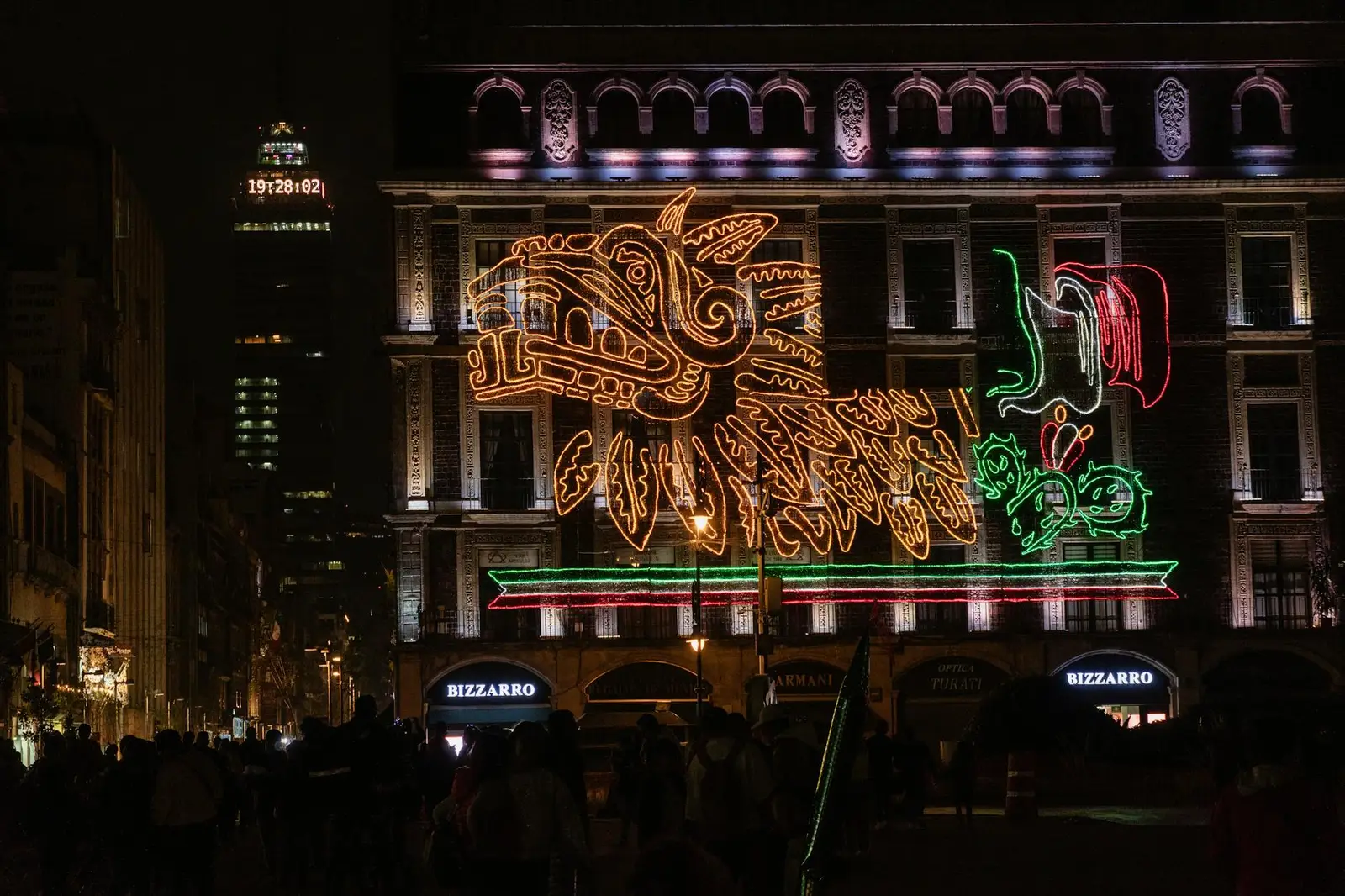
Mexico City (CDMX) has become one of the hottest nomad destinations in the Americas since 2021, especially for US remote workers who want to keep Eastern US hours. The food scene is arguably the best in the world, the cultural life is rich, and the cost of living is far lower than any comparable US city. Condésa and Roma Norte have become synonymous with the nomad wave — and with local protests about gentrification and rising rents.
CDMX lets you keep US time zones, eat like royalty, and live in one of the world's great cultural capitals for less than US prices. It's a 4-hour flight from most of the US, visa-free for 180 days for most nationalities on arrival, and the nomad infrastructure (coworking, specialty coffee, English-speaking services) exploded post-2021.
Advertisement
Population
22,000,000
Internet
150 Mbps avg
Budget (mid)
$1,700/mo
Timezone
UTC−6 (no DST since 2022)
Cost of living in Mexico City
USD 1,200-2,200/month for nomad lifestyle. Condésa and Polanco are the expensive areas; most of the city is much cheaper.
Budget
$1,000
per month
Comfortable
$1,700
per month
Upscale
$3,000
per month
| Category | Typical range |
|---|---|
| Rent (1BR central) | USD 700-1,400 |
| Rent (1BR outside) | USD 400-700 |
| Groceries (monthly) | USD 250-400 |
| Utilities (monthly) | USD 50-100 |
| Coworking (monthly) | USD 180-300 |
| Transport (monthly) | USD 20-40 on Metro and Metrobús |
| Meal (cheap / local) | USD 3-6 |
| Meal (mid restaurant) | USD 12-25 |
Advertisement
Where to live in Mexico City
Condésa / Roma Norte
Nomad central. Parks, coworking, cafes, specialty coffee, walkable. Also where most anti-gentrification protests focus.
Polanco
Upscale, cleaner streets, museum mile, fine dining. More expensive.
Coyoacán
Bohemian, colonial, quieter, Frida Kahlo's old neighborhood. Weekend markets are magical.
San Ángel
Cobblestones, art scene, Saturday bazaar. Beautiful, a bit slow-paced.
Del Valle / Narvarte
Residential, much cheaper than Condésa, solid metro connections.
Popular coworking spaces
- · WeWork (multiple) — corporate, reliable
- · Selina Roma — cowork and coliving with cafe
- · Publico Condésa — beautiful design, popular with nomads
- · Impact Hub Mexico — startup community-focused
- · U Cowork — budget-friendly, multiple locations
Food scene
Arguably the best food city in the world. Tacos al pastor at El Huequito, torta cubana in any market, mole in Oaxacan restaurants, pozole on Thursdays, and an unmatched fine-dining scene (Pujol, Quintonil, Rosetta). Street food costs USD 1-3; mid-range restaurants USD 15-30.
Getting around
Metro is cheap (USD 0.30 per ride) and extensive. Metrobús dedicated-lane buses cover the rest. Uber and DiDi are ubiquitous and very cheap (USD 3-8 for most rides). Traffic is bad — avoid driving.
Internet tip: Izzi, Totalplay and Telmex offer fibre at 300+ Mbps in central neighborhoods. Starlink works well as backup. 5G mobile is widespread with AT&T and Telcel.
Visa notes
Many nationalities get 180 days visa-free on arrival. Temporary Resident Visa requires ~USD 3,100/month income or USD 55,000+ in savings and lasts 1-4 years with a path to Permanent Resident. The "FMM multiple-entry" strategy that nomads used post-2020 is increasingly being shortened at the border.
Healthcare & safety
ABC Hospital, Hospital Ángeles, and Star Médica are world-class private options. GP visits USD 30-60. Elective procedures are 20-40% of US prices.
Moderate. Central areas (Condésa, Roma, Polanco, Coyoacán) are safe. Avoid Tepito, Doctores after dark, and outskirts like Ecatepec. Petty theft and kidnapping-related scams exist but are rare in nomad neighborhoods. Always use registered Uber or DiDi, never street cabs.
Pros
- + Arguably the world's best food scene
- + Great US Eastern timezone overlap
- + Huge city with endless exploration
- + Strong metro and Uber network
- + Vibrant cultural life (museums, concerts, festivals)
Cons
- - Altitude (2,240m) takes 3-5 days to adjust to
- - Earthquakes are real and frequent
- - Air pollution in dry season
- - Spanish is essential outside tourist pockets
- - Tensions with locals over gentrification
Best for
- · US-timezone remote workers
- · Food-obsessed nomads
- · Culture-first travelers
Probably not for
- · People sensitive to altitude or pollution
- · Non-Spanish speakers looking for easy integration
Climate
Mild year-round thanks to altitude — 10-25°C. Dry November-May, rainy afternoons June-October.
Language
Spanish. English is common in Condésa and Polanco but a working Spanish vocabulary makes daily life far easier.
Currency
Mexican Peso (MXN)
Timezone
UTC−6 (no DST since 2022)
Other nomad cities
Related resources
Full Mexico country guide
Visa options, tax, cost of living, work permits.
Moving to Mexico
Step-by-step relocation guide: visa, costs, taxes, timeline.
In-depth editorial guide
Our long-form guide for Mexico.
Cost of Living tool
Compare Mexico City with your current city.
Digital nomad visa comparator
Compare long-stay visas by income, duration, tax.
Tax residency calculator
See where you'd be tax resident if you split time.