Spain · Europe
Living in Madrid
Spain’s political capital with the best public life in Europe
Last updated: April 2026
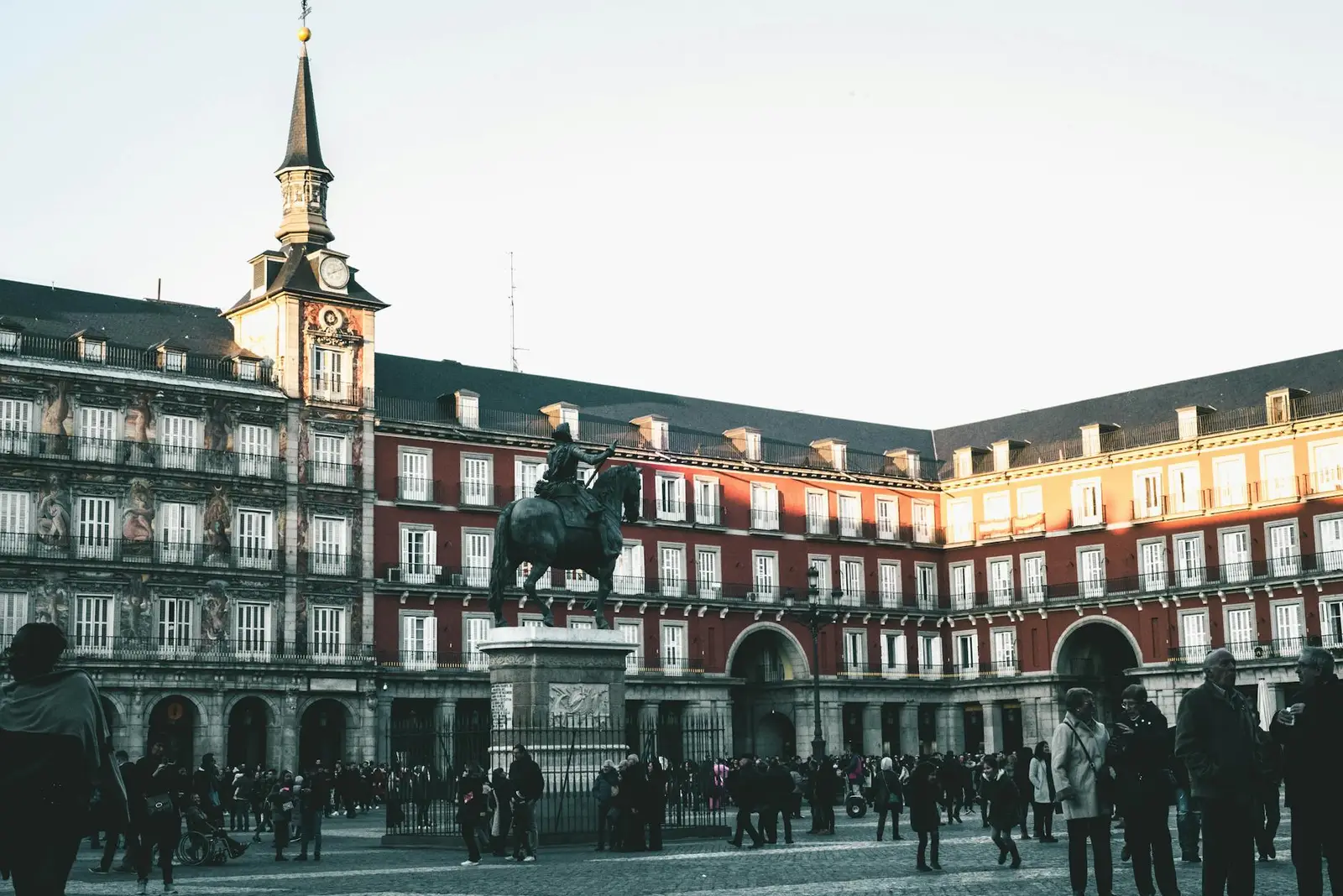
Madrid is the political and cultural heart of Spain — and since the 2023 Digital Nomad Visa, one of the fastest-growing nomad hubs in Europe. Unlike Barcelona, Madrid has no coast, so you trade beach for world-class museums, the biggest variety of tapas in the country, and a famously late-night social life that genuinely never stops. The city is flatter than Lisbon, cheaper than Barcelona, and its nomad scene skews slightly more professional — lots of remote workers in finance, tech and consulting. Summers are brutal (40°C+), but May-June and September-October are arguably the best months of any European capital.
Madrid offers the cleanest path into Spanish Digital Nomad Visa life with less tourist saturation than Barcelona. It is the capital, so legal and bureaucratic services are concentrated here. Salamanca and Chámartin have excellent international schools for expat families. The cultural life — Prado, Reina Sofía, flamenco, theatre, football — is unmatched in Iberia. You can live well without ever needing your car.
Advertisement
Population
3,200,000
Internet
600 Mbps avg
Budget (mid)
$2,600/mo
Timezone
UTC+1 / UTC+2 (DST)
Cost of living in Madrid
USD 1,900-3,200/month. Rent similar to Barcelona but cheaper food and transit.
Budget
$1,800
per month
Comfortable
$2,600
per month
Upscale
$4,200
per month
| Category | Typical range |
|---|---|
| Rent (1BR central) | USD 1,200-2,000 |
| Rent (1BR outside) | USD 800-1,200 |
| Groceries (monthly) | USD 350-500 |
| Utilities (monthly) | USD 100-180 |
| Coworking (monthly) | USD 200-350 |
| Transport (monthly) | USD 25 monthly Abono Transportes (unlimited) |
| Meal (cheap / local) | USD 12-18 menu del dia |
| Meal (mid restaurant) | USD 25-45 |
Advertisement
Where to live in Madrid
Malasaña / Chueca
Hip, bohemian, strong bar and design scene. Nomad-friendly cafes.
Salamanca
Upscale, grid streets, luxury shops, embassies. Pricier.
La Latina / Lavapiés
Historic, multicultural, tapas route heaven.
Chamberí
Residential and leafy, quiet but central.
Retiro / Ibiza
Near the huge park. Popular with families.
Popular coworking spaces
- · La Industrial — large, central, community-driven
- · Utopicus (multiple) — Spain’s top coworking brand
- · Impact Hub Madrid — focus on social-impact projects
- · WeWork (multiple) — corporate, fast internet
- · Mundaka — stylish, smaller, Malasaña
Food scene
Tapas culture is the soul. Menu del dia at lunch costs USD 12-18 for 3 courses plus wine. Cochinillo, cocido madrileño, bocadillo de calamares, and some of the best Japanese food in Europe. Mercado de San Miguel and Mercado de San Anton for food halls. Michelin-starred DiverXO and Paco Roncero showcase top-tier Spanish gastronomy.
Getting around
Metro Madrid is one of the world’s best: clean, fast, and the monthly unlimited Abono is USD 25. Cercanias regional trains connect to Toledo, Segovia, and Sierra de Guadarrama. BiciMAD e-bikes work well. Barajas airport is 20 min from centre by metro.
Internet tip: Movistar, Vodafone, Orange and MasMovil all offer gigabit fibre for USD 35-55/mo. 5G is universal.
Visa notes
Spanish Digital Nomad Visa requires ~EUR 2,520/month income, valid up to 3 years, extendable to 5. Beckham Law gives 24% flat tax on Spanish income up to EUR 600k for 6 years. EU citizens need only NIE + empadronamiento. Process is easier in Madrid than Barcelona (less bureaucratic backlog).
Healthcare & safety
SNS public health is free for residents. Private options: Hospital Quirón, Clínica Ruber, Sanitas. Expat private insurance ~EUR 60-120/month. GP visit privately USD 60-90.
Very safe. Pickpockets in tourist zones (Sol, Gran Vía, metro) are the main risk.
Pros
- + Best public life in Europe
- + Spanish DNV works smoothly
- + Incredible museums and food
- + Clean, safe, walkable center
- + Transport network is among the best in Europe
- + EU citizenship path in 10 years
Cons
- - No beach (Valencia or Barcelona if you need it)
- - Summer is brutal (40°C+)
- - Rent up significantly since 2022
- - Slightly less English than Barcelona or Lisbon
Best for
- · Culture-first nomads
- · Professional/corporate remote workers
- · Families (schools, safety)
- · Winter base for those who handle cool weather
Probably not for
- · Beach seekers
- · Heat-sensitive nomads July-August
Climate
Continental. Cold winters (4-10°C), hot dry summers (28-38°C). Spring and autumn are ideal.
Language
Spanish (Castilian). English widely spoken in Malasaña and professional settings.
Currency
Euro (EUR)
Timezone
UTC+1 / UTC+2 (DST)
Other nomad cities
Related resources
Full Spain country guide
Visa options, tax, cost of living, work permits.
Moving to Spain
Step-by-step relocation guide: visa, costs, taxes, timeline.
In-depth editorial guide
Our long-form guide for Spain.
Cost of Living tool
Compare Madrid with your current city.
Digital nomad visa comparator
Compare long-stay visas by income, duration, tax.
Tax residency calculator
See where you'd be tax resident if you split time.
Schengen 90/180 calculator
Plan your days if you're non-EU.