Moving to New Zealand in 2026: Complete Guide (incl. from USA)
Advertisement
Quick answer: how do I move to New Zealand?
Most non-NZ citizens move via a job offer from a New Zealand employer. The two main routes are the Skilled Migrant Category (points-based residence visa, requires 6+ points) and the Accredited Employer Work Visa (AEWV) (up to 5 years, salary at the median wage NZD 31.61/hour or above). NZ has no digital nomad visa. EOI processing typically takes 6-12 months end-to-end.
Why New Zealand?
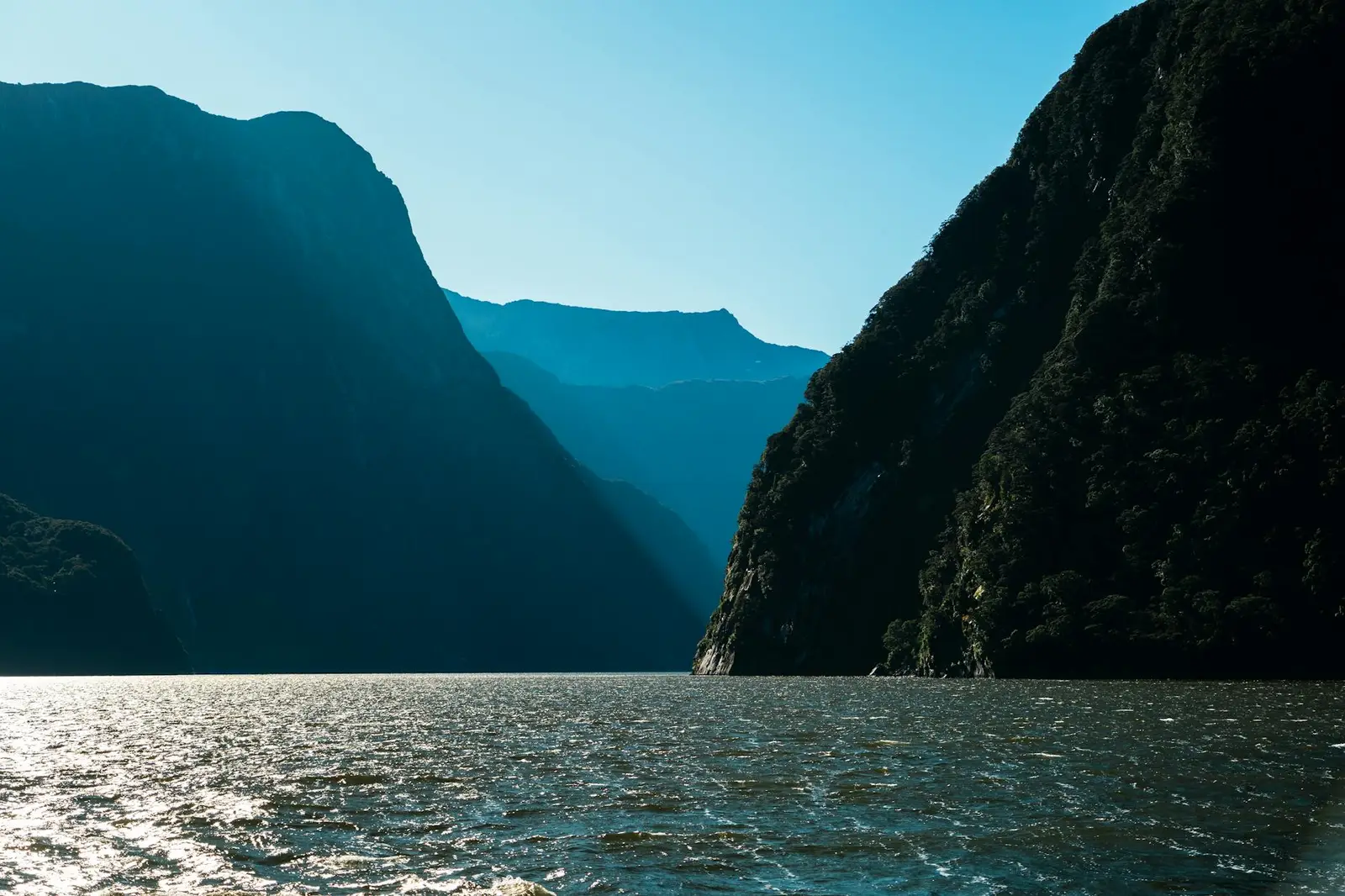
New Zealand consistently ranks in the world top 10 for quality of life, work-life balance and natural beauty. The combination of dramatic landscapes (think Lord of the Rings but real), a stable democracy, English as the official language, an excellent universal healthcare system, and a welcoming culture has made it a perennial favorite for skilled migrants — especially from the US, UK, South Africa and the Philippines.
The country is small (5.1 million people), so the immigration system is selective: New Zealand prioritises skilled workers in occupations on the Green List, investors, and people sponsored by accredited employers.
Visa Options for Moving to New Zealand
Skilled Migrant Category (SMC) — the main pathway
The SMC is a points-based residence visa for skilled workers. Since October 2023, the system uses a 6-points minimum structure where you score points for:
- Recognised qualifications (3-6 points depending on level)
- Skilled employment in NZ (3 points + bonus for higher salaries)
- Occupational registration (1 point if required for your job)
- Years of skilled work experience (2-4 points)
You generally need a job offer from an accredited NZ employer before applying. Median salary thresholds apply.
Accredited Employer Work Visa (AEWV)
The most common entry route in 2026. Requires:
- Job offer from an accredited employer (the employer must be on Immigration NZ’s accredited list)
- Job pays at least the median wage (NZD 31.61/hour in 2026 = ~NZD 65,750/year)
- Skill assessment for your role
Visa duration: up to 5 years. Most AEWV holders later transition to residency via SMC.
Active Investor Plus Visa
For high-net-worth individuals. Requires NZD 5 million invested in approved NZ investments over 4 years (with weighted multipliers — direct/growth investments count more). Replaced the older Investor 1 and 2 visas in April 2025.
Working Holiday Visa
If you’re under 30 (35 for some nationalities including Canadians and Argentines), you can get a 12-month visa allowing you to live, work and travel in NZ. Excellent way to “test” the country before committing to a longer move. Annual quotas — apply on the day your country’s quota opens.
Other options
- Partnership visa — if you’re partnered with an NZ citizen/resident
- Parent Resident Visa — sponsored by adult NZ-resident children
- Refugee and Protection visas
- Student visa — pathway to AEWV via post-study work visa
There is currently no digital nomad visa in New Zealand. A 90-day Visitor Visa technically allows remote work for a foreign employer (as of January 2024 immigration update), but it does not lead to residency.
Cost of Living Overview
New Zealand is expensive — comparable to Australia, the UK, or a US coastal city. Auckland is the most expensive; Wellington close behind; Christchurch and provincial cities meaningfully cheaper.
Approximate monthly costs for a single person (2026, NZD):
| Item | Auckland | Wellington | Christchurch |
|---|---|---|---|
| 1-bed apartment, central | NZD 2,200-3,500 | NZD 1,900-2,800 | NZD 1,500-2,200 |
| Groceries | NZD 500-800 | NZD 500-800 | NZD 450-700 |
| Public transport (monthly) | NZD 200 | NZD 160 | NZD 150 |
| Restaurant meal (mid-range) | NZD 30-50 | NZD 28-45 | NZD 25-40 |
| Utilities + internet | NZD 250-400 | NZD 250-400 | NZD 230-380 |
| Comfortable monthly total | NZD 4,500-6,500 | NZD 4,000-5,800 | NZD 3,500-5,000 |
USD equivalent: divide NZD by ~1.65. So Auckland comfortable budget ≈ $2,700-$4,000 USD/month.
Use our Cost of Living Comparator to compare NZ cities to your home.
Moving to New Zealand from the USA
NZ has been one of the top destinations for American expats since 2016. The two main pathways for US citizens are AEWV with a NZ employer and the Working Holiday visa (if under 30).
What Americans need
- Job offer from an accredited NZ employer for AEWV or SMC
- Police clearance certificate from each country lived in for 12+ months in the last 10 years (FBI background check for US)
- NZ medical certificate completed by an Immigration NZ–approved panel doctor
- Chest X-ray (TB screening)
- Evidence of English language (waived for US citizens — English is your first language)
- Proof of qualification (degree, professional registration)
- Visa application fee (NZD 4,290 for SMC residence)
How long does it take to move from the US to NZ?
Plan 6 to 12 months end-to-end:
- Get qualifications assessed by NZQA if needed (4-8 weeks)
- Apply for jobs — most NZ employers will not consider candidates without an existing visa or visa-ready application. Use Seek.co.nz, Trade Me Jobs.
- Get a job offer from an accredited employer
- Apply for AEWV or SMC (current processing 4-6 months for AEWV, 6-12 months for SMC)
- NZ medical + FBI background check (4-8 weeks)
- Visa decision, then move
Cost of moving to NZ from the US
| Item | Typical cost (USD) |
|---|---|
| Visa application fees (AEWV or SMC) | $1,800-$2,800 |
| FBI background check + apostille | $50-$150 |
| NZ medical + chest X-ray | $400-$700 |
| Sea freight (1-bed apartment) | $5,000-$10,000 |
| Air freight (essentials only) | $2,000-$4,500 |
| Pet relocation (1 dog/cat — strict rules) | $3,000-$8,000 |
| First month rent + 3-week bond (Auckland) | $4,500-$8,000 |
| Health insurance (interim, before residency) | $1,200-$2,500 |
Most Americans budget $15,000-$30,000 for the full relocation. Pet relocation alone is much more expensive than to most other countries because of NZ’s strict biosecurity rules and quarantine.
Taxes for Americans living in NZ
The US continues to tax citizens worldwide. NZ has a comprehensive tax treaty with the US and the Foreign Earned Income Exclusion typically prevents most double taxation.
NZ has no capital gains tax (with some exceptions: bright-line test for rental property held under 10 years), no inheritance tax, no payroll tax for employees, and no social security contributions in the European sense. However, income tax brackets go up to 39% on income over NZD 180,000.
Americans should also know:
- PFIC rules — most NZ KiwiSaver, PIE funds, and managed funds are PFICs and create punitive US tax. Get advice before contributing to KiwiSaver.
- FATCA reporting — NZ banks report your accounts to the IRS.
- Foreign Tax Credit — usually a better option than FEIE for high earners on NZ salaries because NZ’s tax is relatively high.
Healthcare
New Zealand has a public healthcare system funded through general taxation. Once you’re a resident or have a 2+ year work visa, you qualify for free or subsidised public healthcare via Te Whatu Ora (Health New Zealand). GP visits cost ~NZD 20-60 (subsidised).
Many expats also carry private health insurance (Southern Cross, NIB, or AIA) for shorter wait times for elective surgery and dental. Cost: NZD 80-200/month.
While transitioning, get SafetyWing coverage for the first months.
Banking
The “Big 4” NZ banks are ANZ, BNZ, ASB, and Westpac. Most allow you to open an account online from overseas using your visa approval letter — useful so you can transfer your relocation funds before arriving.
For receiving USD income or transferring savings, Wise is dramatically cheaper than NZ bank wire fees.
Best cities for expats
- Auckland — biggest city, most jobs, most diverse, most expensive. North Shore and Eastern suburbs are family-popular.
- Wellington — capital, government and tech jobs, excellent food and arts scene, very windy. Smaller than Auckland.
- Christchurch — rebuilt after the 2011 earthquake. Cheapest big city, great access to South Island adventures.
- Queenstown / Wanaka — adventure capital. Tourism economy + remote-work scene. Expensive housing.
- Dunedin — university town, very cheap by NZ standards.
- Tauranga — fast-growing, mild climate, beach lifestyle. Popular with retirees and families.
Practical Tips
- Get the IRD number (NZ tax number) immediately after arrival — needed for employment, banking, and many transactions.
- NZ housing market is brutal — rentals go fast in Auckland and Wellington. Have your viewing schedule ready before you land.
- Cars are cheap, but driving is left-side. Most second-hand Japanese imports are NZD 8,000-15,000.
- Earthquakes are real. Wellington and Christchurch are on fault lines. EQC (Earthquake Commission) is included in home insurance.
- The South Island is genuinely empty — only 1.2 million people across an area larger than England. Different country from urban Auckland.
- Plan around school terms if you have kids. The NZ school year is February to December.
Explore New Zealand on RoamHub
This guide is for informational purposes only and does not constitute immigration advice. Always verify the latest requirements at immigration.govt.nz or consult a Licensed Immigration Adviser.
Advertisement
Continue exploring
Affiliate Disclosure
Some links in this article are affiliate links. If you make a purchase through these links, RoamHub may earn a small commission at no extra cost to you. We only recommend products and services we believe are genuinely useful for expats and digital nomads. See our full disclaimer.