Turkey · Middle East
Living in Istanbul
East meets West — literally — with a Digital Nomad Residence Permit
Last updated: April 2026
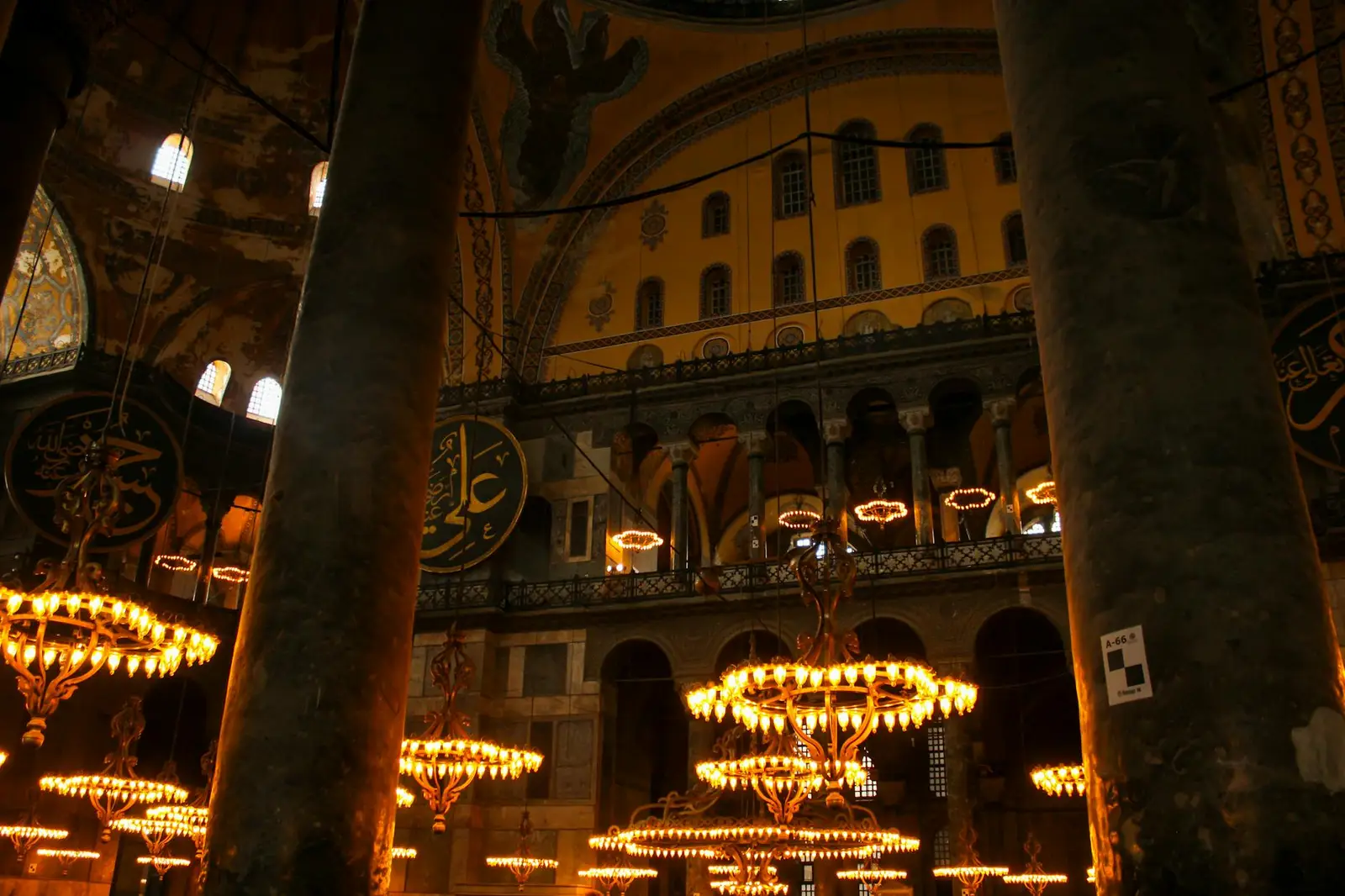
Istanbul is the only major city that straddles two continents — the Bosphorus separates Europe from Asia, and both halves of the city are nomad-friendly in different ways. The Turkish Digital Nomad Residence Permit launched in 2024, and Istanbul’s combination of affordable cost, extraordinary food, dense history, and 16 million people’s worth of daily life makes it one of the most distinctive nomad destinations anywhere. The city has been a hub of civilizations for 2,500 years; living here is exposure to that density.
Istanbul offers arguably the highest cost-to-lifestyle arbitrage of any major city under 3 hours’ flight from Western Europe. The Digital Nomad Residence Permit formalizes what many nomads already did on extended tourist stays. Food, history, architecture, and sheer urban scale are all world-class. Turkish Airlines’ Istanbul hub connects almost everywhere.
Advertisement
Population
16,000,000
Internet
200 Mbps avg
Budget (mid)
$1,400/mo
Timezone
UTC+3 (no DST)
Cost of living in Istanbul
USD 1,000-2,000/month. Lira volatility helps foreign-currency earners.
Budget
$900
per month
Comfortable
$1,400
per month
Upscale
$2,500
per month
| Category | Typical range |
|---|---|
| Rent (1BR central) | USD 500-900 (Beyoglu, Kadikoy) |
| Rent (1BR outside) | USD 350-550 |
| Groceries (monthly) | USD 250-380 |
| Utilities (monthly) | USD 70-150 |
| Coworking (monthly) | USD 130-230 |
| Transport (monthly) | USD 25 monthly Istanbulkart |
| Meal (cheap / local) | USD 4-8 |
| Meal (mid restaurant) | USD 12-30 |
Advertisement
Where to live in Istanbul
Kadikoy (Asian side)
Nomad heartland. Young, creative, less touristy, Moda and Yeldegirmeni especially popular.
Beyoglu / Cihangir
Historic European side, Istiklal street, artistic and cafe-heavy.
Besiktas / Ortakoy
Bosphorus-facing, upscale, university students, nightlife.
Sisli / Nisantasi
Shopping and business district, modern.
Uskudar
Conservative Asian side, religious character, quiet.
Popular coworking spaces
- · Kolektif House (multiple) — largest chain
- · Impact Hub Istanbul
- · Workhaus
- · Urban Station
- · Coven Coworking — boutique
Food scene
Everything is a revelation. Kebabs (adana, urfa, beyti), meze, Turkish breakfast (kahvalti), baklava, borek. Mikla and Neolokal showcase modern Turkish cuisine. Istiklal Caddesi and Karakoy are food streets. Spice Bazaar and fish markets at Kumkapi.
Getting around
Metro, tram, ferries across the Bosphorus, Marmaray tunnel rail across continents, funiculars, buses. Istanbulkart covers everything. Taxis often overcharge foreigners — use BiTaksi app. New airport (IST) is 1 hour from most central districts.
Internet tip: Turkcell, Turk Telekom, Vodafone. Fibre coverage is good; 5G rolling out. Occasional government-mandated slowdowns on social media.
Visa notes
Digital Nomad Residence Permit launched 2024: USD 3,000+ monthly income, 1 year renewable. Ikamet (regular residence permit) available for longer-term stays with proof of income/accommodation.
Healthcare & safety
Private hospitals are very good and affordable. Acibadem, Florence Nightingale, American Hospital. GP visits USD 30-60. Medical tourism is a major industry (dental, hair transplants, cosmetic).
Generally safe. Watch for tourist scams in Sultanahmet, taxi overcharging, and the usual big-city pickpocketing.
Pros
- + Extraordinary history and food
- + Low cost with strong foreign currency
- + Digital Nomad Residence Permit is real
- + Istanbul hub connects globally
- + Massive city — endless exploration
Cons
- - Lira volatility (if paid locally)
- - Political instability affects things
- - Traffic is legendary
- - Turkish is essential outside nomad zones
- - Occasional social-media restrictions
Best for
- · Foreign-currency earners
- · Culture-first nomads
- · Foodies
- · Asia-Europe travel hub users
Probably not for
- · Those needing political stability
- · Non-Turkish speakers avoiding immersion
Climate
Mediterranean-ish. Cool rainy winters (5-10°C), hot humid summers (25-32°C).
Language
Turkish. English is patchy; fair in nomad/tourist areas.
Currency
Turkish Lira (TRY) — volatile
Timezone
UTC+3 (no DST)